

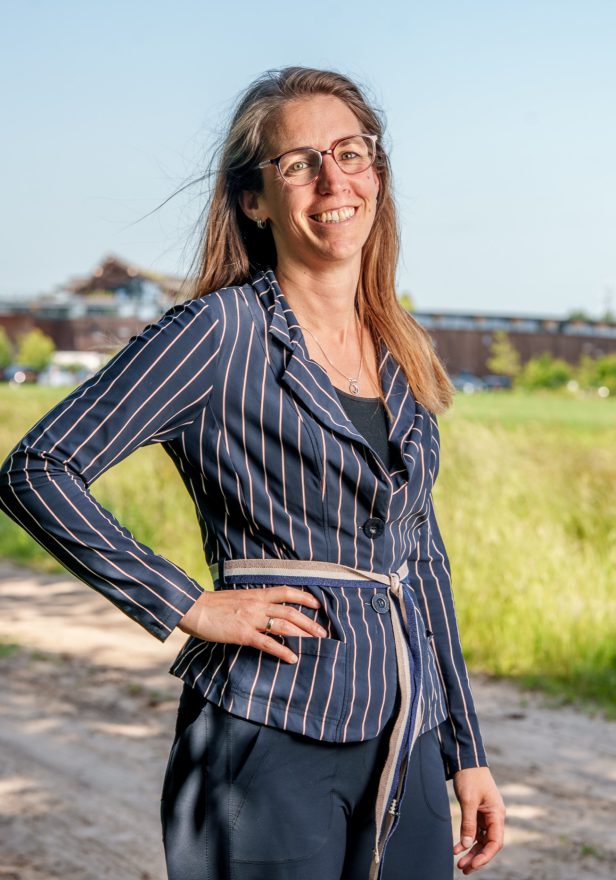
Dr. Anne de Jong, M.S. in Engineering
Director / Acoustics Expert
Acoustic problems often only become apparent at the first prototype, resulting in costly delays. ASCEE prevents this. We combine numerical simulations with targeted lab measurements to predict acoustic behavior early, supported by validated models and precise data.
Trusted by Engineers at:

















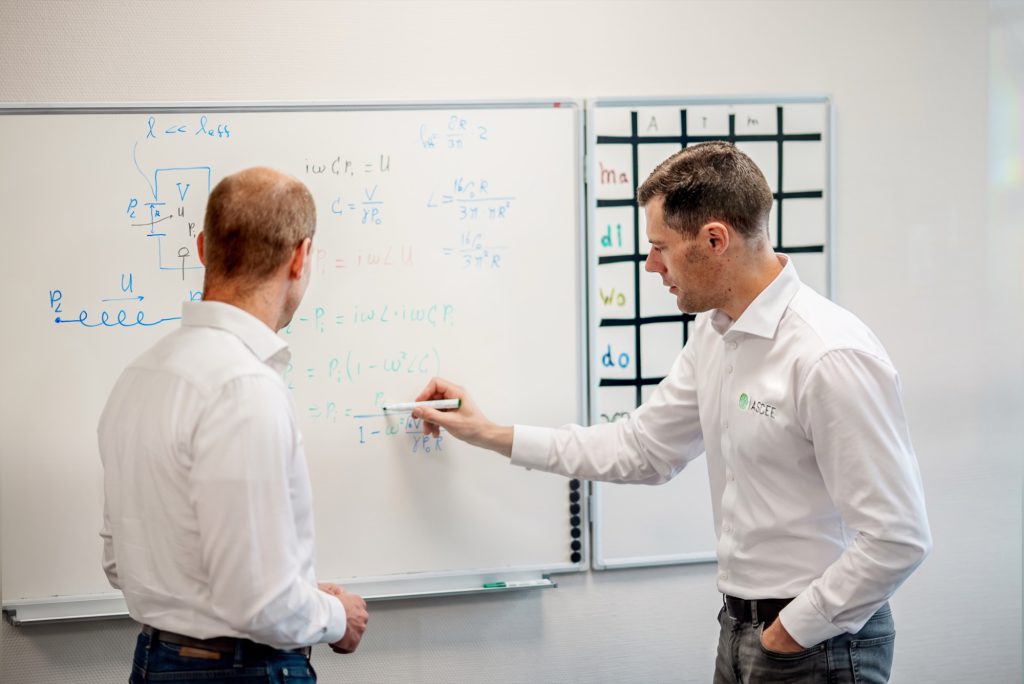
Anne de Jong studied Mechanical Engineering and obtained his PhD at the University of Twente on numerical modeling of thermoacoustic systems. As the founder of ASCEE, he translates physical theory directly into concrete applications for R&D teams. He builds finite element models (FEM) in COMSOL Multiphysics®, models in Python, and reduces computation times through smart model construction. Additionally, he develops measurement systems, such as the µZ impedance bus system, to characterize materials with microscale precision.
We have been working with Dr. Anne de Jong from ASCEE (the Netherlands) since 2020. He is a brilliant physicist and a true expert in acoustics, fluid dynamics, and microfluidics. Anne has been instrumental in developing both COMSOL models as well as hybrid and Python-based models for simulating our MEMS devices. One of his remarkable contributions was reducing COMSOL’s simulation time from days to minutes by replacing certain FE domains with carefully derived analytical formulas, all while maintaining the model’s accuracy. This achievement has had a transformative impact on our workflow. In the past couple of years, Ir. Casper Jansen has joined ASCEE, and together with Dr. de Jong, they have developed unique measurement equipment to help us assess and qualify thin, acoustically transparent, protective membranes. The development was completed on time and within budget, and the equipment’s performance has been nothing short of remarkable. It has been a pleasure to work with both Anne and Casper. Throughout our collaboration, Anne has been an uncompromising professional. I have consistently experienced only the highest quality of work, with every technical conclusion backed by extensive and meticulous documentation. His dedication, expertise, and ability to deliver practical, elegant solutions make him an invaluable partner.
We recently acquired the µZ-20 Impedance Measurement System from ASCEE and have been thoroughly impressed with its performance. The hardware and software interface is intuitive and user-friendly, making it easy to integrate into our workflow. Most importantly, the system delivers stable and repeatable impedance measurements on membranes, which are essential to our R&D efforts. ASCEE’s support team has also exceeded expectations—providing prompt and timely assistance whenever needed. We highly recommend the µZ-20 and ASCEE for their outstanding product and customer service.
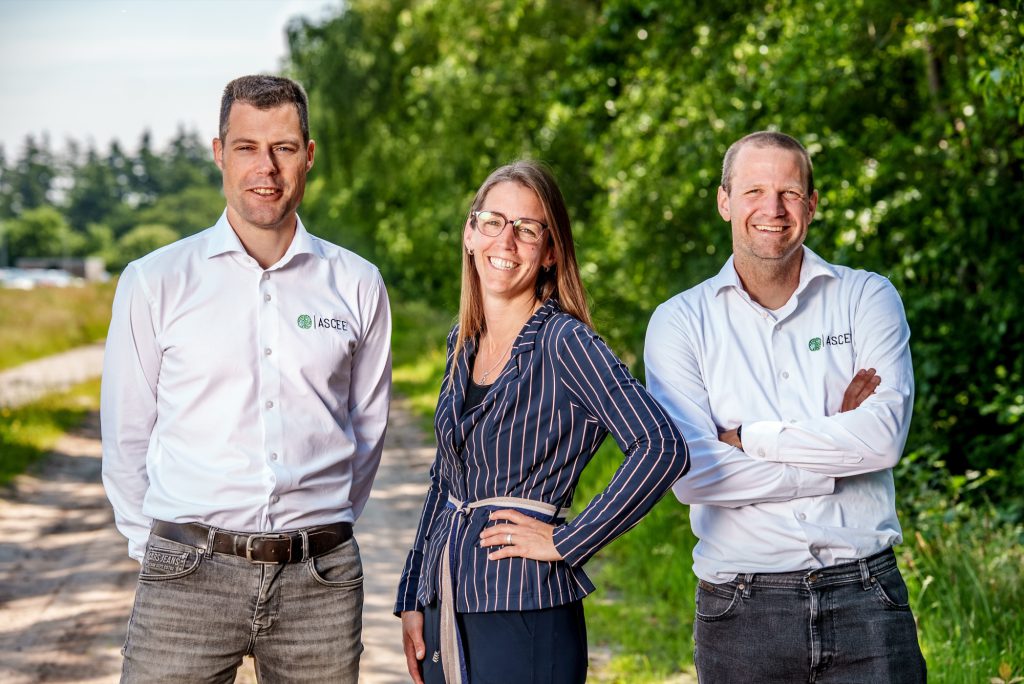
As an official COMSOL Certified Consultant, ASCEE possesses in-depth expertise in numerical modeling within COMSOL Multiphysics®, particularly at the intersection of acoustics and structural mechanics. We build physically sound models for, among others, acoustic-structure interaction, thermoviscous effects in narrow ducts, and wave propagation in layered media. By systematically validating simulations with measurements from our own lab, we provide reliable data to directly optimize your design parameters.


Test your design virtually in COMSOL and optimize its acoustic performance before having physical prototypes built.

Measure the exact absorption and resistance of materials and eliminate assumptions from your acoustic calculations.
Control the acoustic behavior of miniature channels and mesh to ensure clear sound reproduction in your product.
Validate simulation models using calibrated measurement data to ensure that prototypes meet the requirements.
Speed up your R&D cycle with automated analysis tools and Python scripts for fast, error-free data processing.
Identify the exact source of annoying noise or vibrations and receive targeted adjustments for your design.
Using the µZ system, we precisely measure the acoustic resistance and absorption of small mesh screens and membranes (20 Hz–8 kHz). This provides you with reliable input data for your simulations and quality control right away.
Read more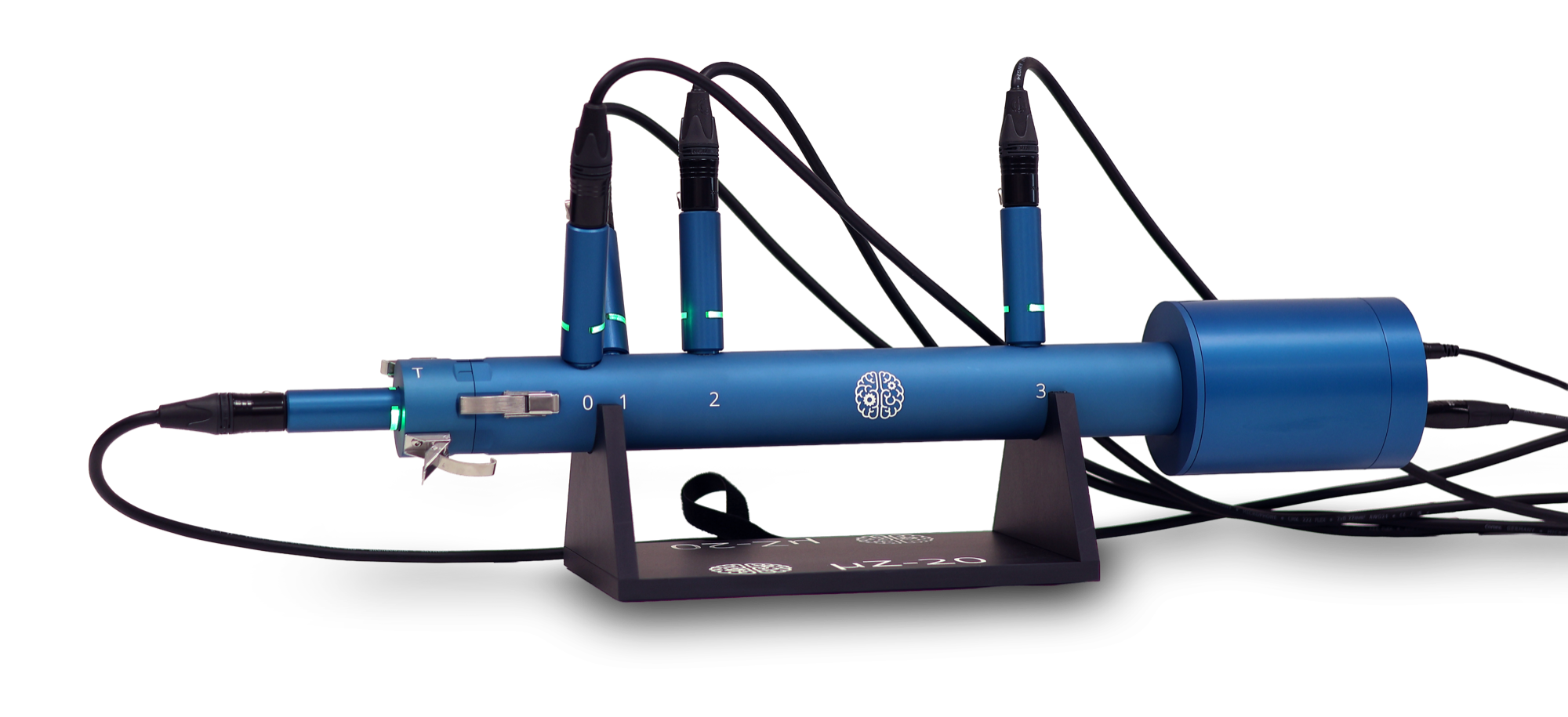
Specialists in acoustics and numerical modeling
Director / Acoustics Expert
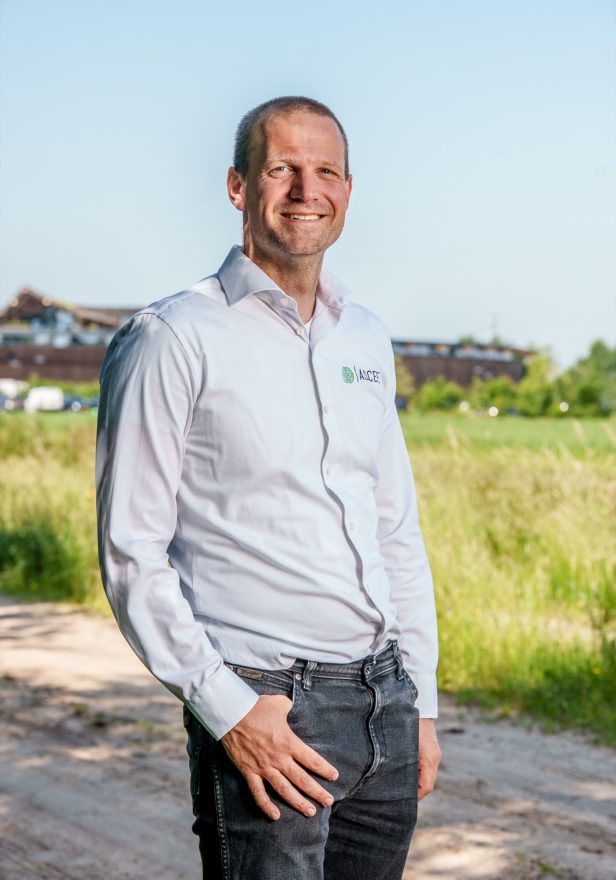
R&D Acoustic Engineer
Director / Administrative