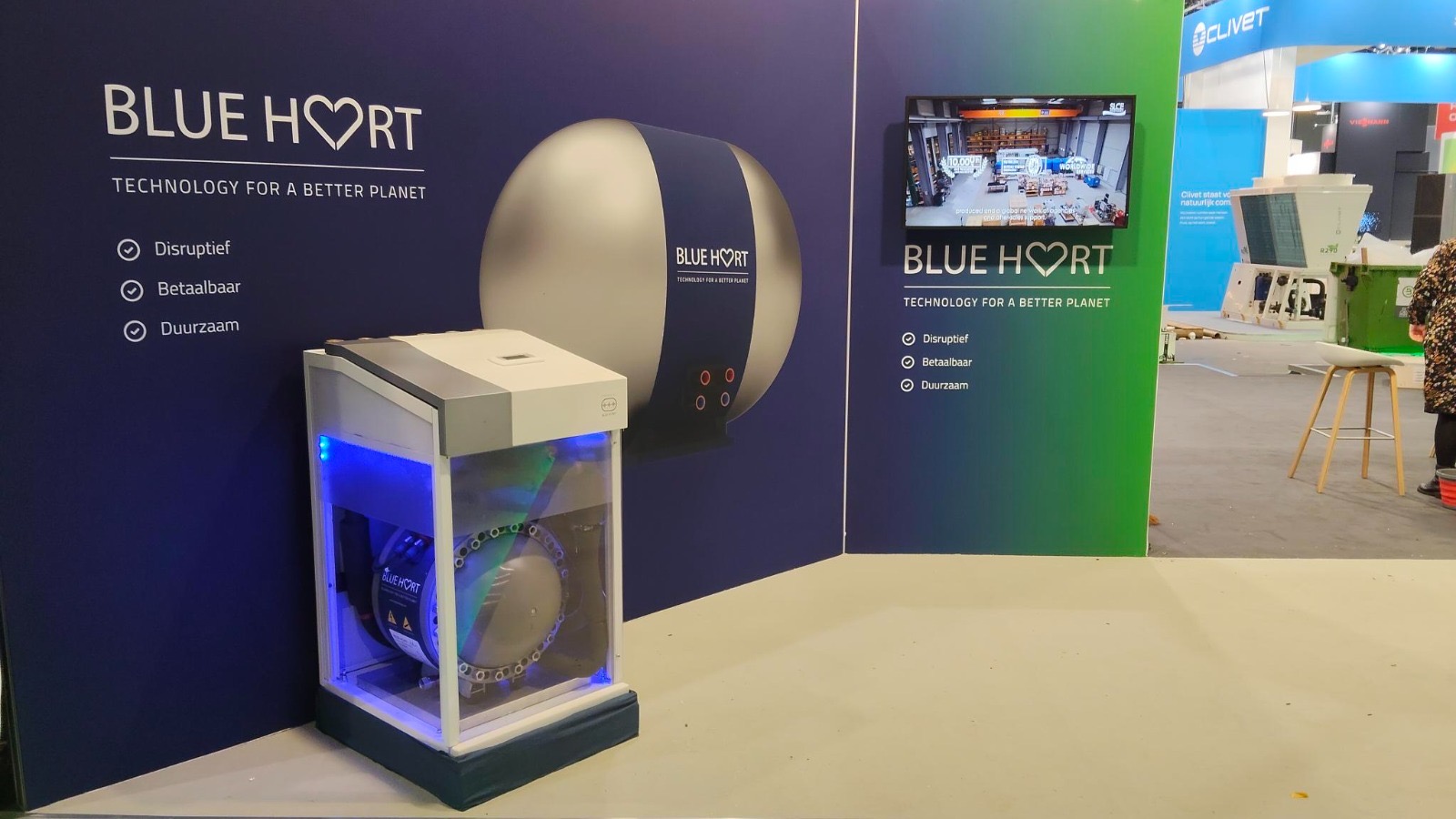
BlueHeart Energy has been an ASCEE customer for a long time. We support them in several areas as they develop their thermoacoustic heat pump. One of the advantages of their device over traditional heat pumps is its potential to operate very quietly due to the unique way heat is generated. From an early stage in their development, they wanted to assess the noise levels of their device. We helped them measure the radiated sound power under various operating conditions.
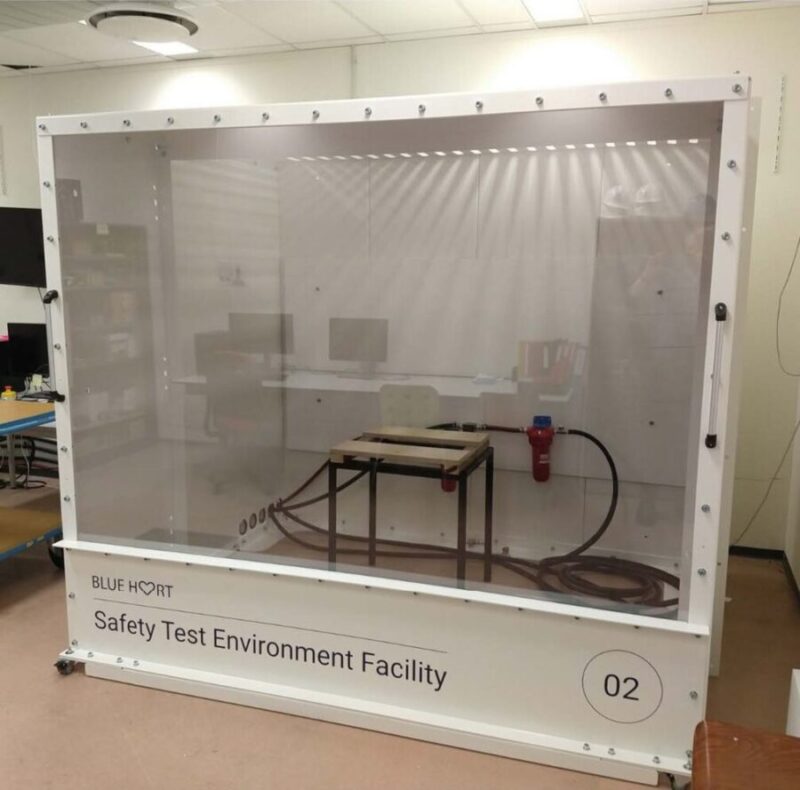
The first step was to determine the measurement method and prepare the test environment. Because the heat pump was in an early stage of development and the unit contained high-pressure helium, the test had to be conducted in a Safety Test Environment Facility (STEF). Due to the limited size of this test chamber, it was challenging to conduct measurements in accordance with the guidelines of one of the available ISO standards for sound power measurements.
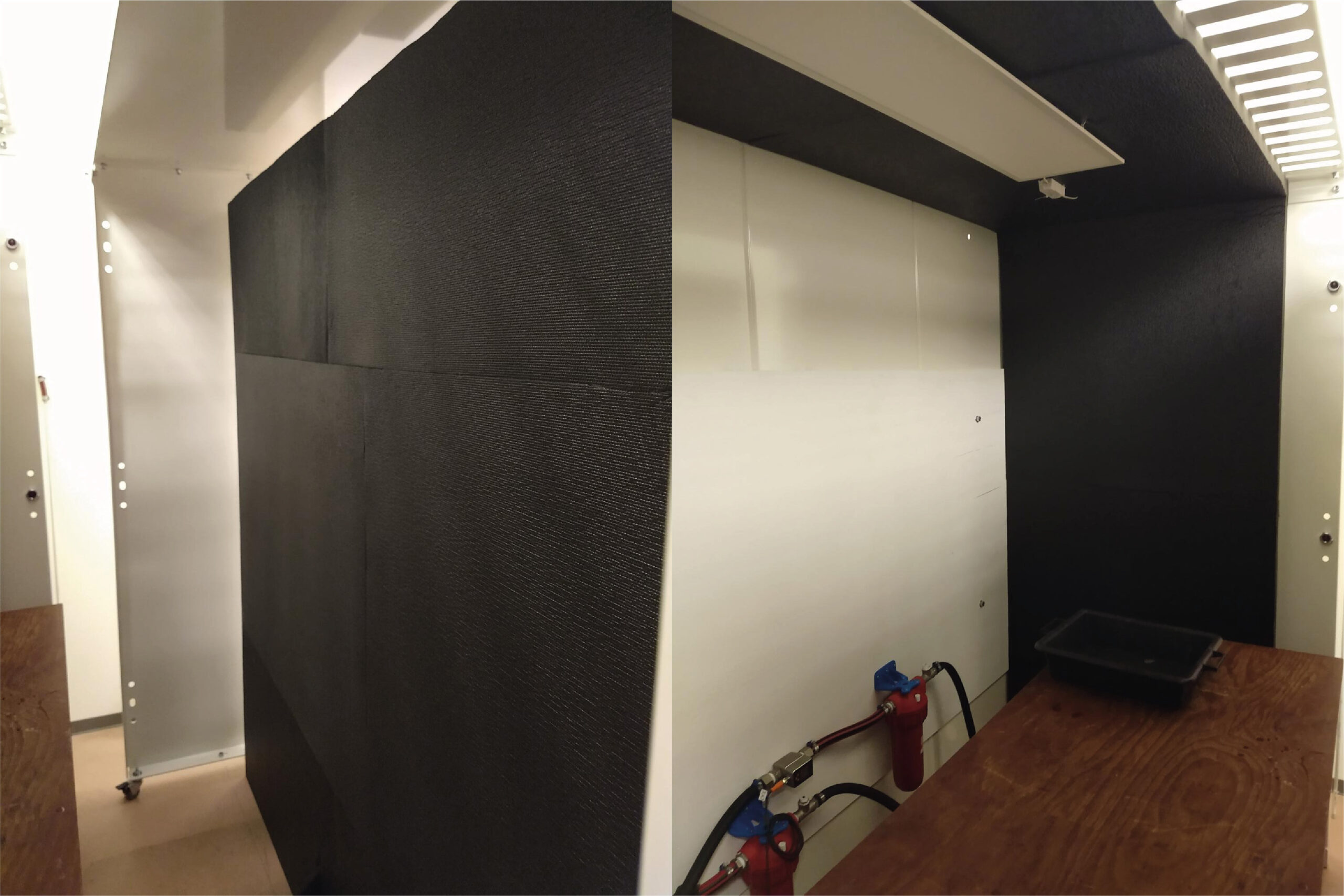
Ultimately, it was decided to conduct measurements in accordance with the ISO 3745:2010 standard (sound power level measurements above a reflective surface). To comply with the standard, the reverberation time in the measurement room had to be reduced. We provided advice on the selection and installation of absorptive panels at STEF. Heat pumps must meet strict noise requirements before they can be brought to market. Although the operating noise of a heat pump can be reduced with advanced enclosures, it is advisable for manufacturers to keep the sound power emitted by their heat pumps as low as possible. In this case study, you’ll learn how ASCEE helped one of its clients assess the noise levels produced by their heat pump.
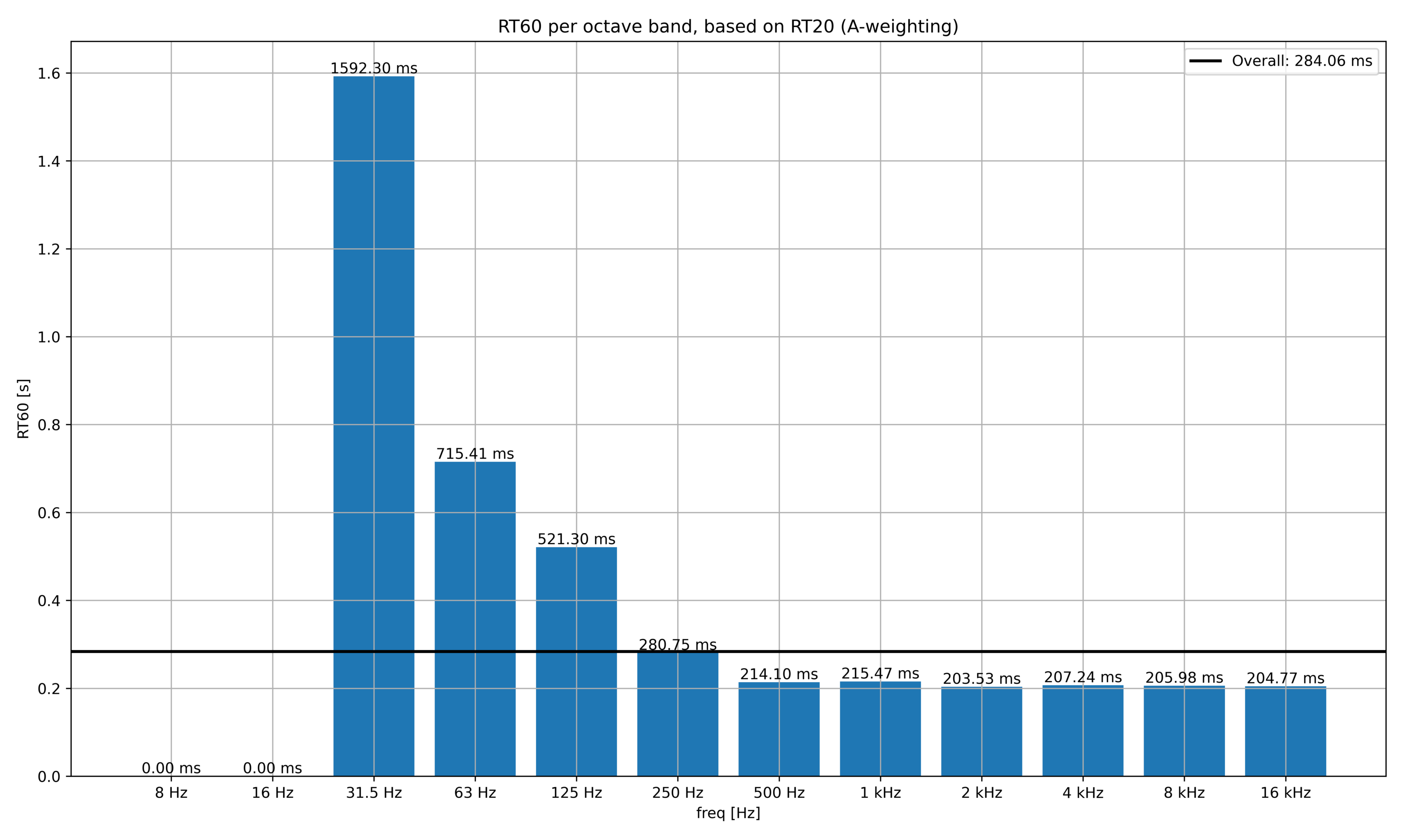
As part of the sound power measurements, we measured the reverberation time in the STEF in accordance with the ISO 3382-2:2008 standard. We performed the measurement at two microphone positions by playing an intermittent noise signal in the room (the speaker was turned on and off every 2 seconds). We measured multiple decay curves at both microphone positions. We averaged these curves to calculate the reverberation time. Finally, we calculated the total reverberation time of the room as the average of the two microphone positions.
The addition of absorbent foam in the STEF ensured that the reverberation time in the octave bands of 250 Hz and higher was sufficiently low. In the lower octave bands, the reverberation time remained too long. This was also expected, given the attenuation characteristics of the foam used. To reduce the reverberation time below 250 Hz as well, much thicker foam than the 51 mm used would have been required. Due to the lack of space and the minor impact of the low frequencies on the overall A-weighted sound level, we decided, in consultation with the customer, to accept the results as they were.
To perform a measurement in the STEF that complied with the ISO standard, we conducted the measurements in a setup with two reflective surfaces. The device was placed on the floor against the back wall, and the metal back wall and concrete floor were considered reflective surfaces.
A parallelepiped measurement surface was used, with 6 microphone positions on it. Given the selected measurement distance and the measured reverberation time, the measurements in the octave bands of 125 Hz and below would not meet the standard. As described above, we decided to accept this.
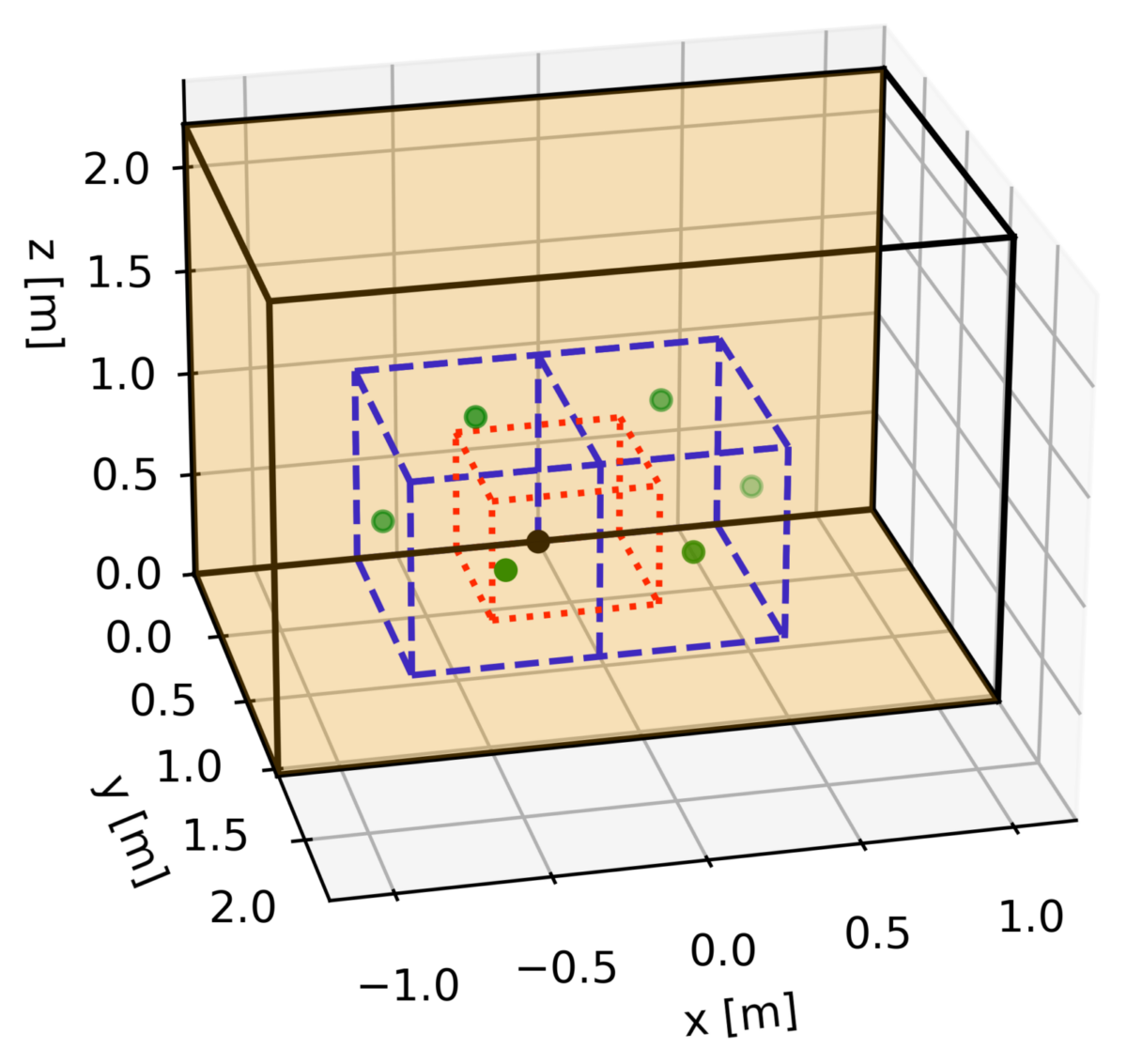
We measured the A-weighted sound power emitted by the heat pump for 5 different settings of the unit. We performed the measurements using a single 1/2″ measurement microphone. We then calculated the emitted sound power based on a single measurement at each microphone position. Since this was a continuous sound source, the various positions could be measured without difficulty.Prior to each measurement, we measured the background noise at the respective positions.
The calculated A-weighted sound power levels were corrected for the background noise level and the room’s acoustic characteristics (reverberation time), while verifying that the signal-to-noise ratio was sufficient and the influence of reflections was low enough. We also verified that the sound levels at the various microphone positions were sufficiently uniform and that additional microphone positions were required to measure the device’s directivity.
The measurements met all specified limits, except at low frequencies, where the reverberation time and variation between microphone positions were too high and the signal-to-noise ratio was too low. However, the sound levels in these octave bands were so low that they did not affect the overall A-weighted result.
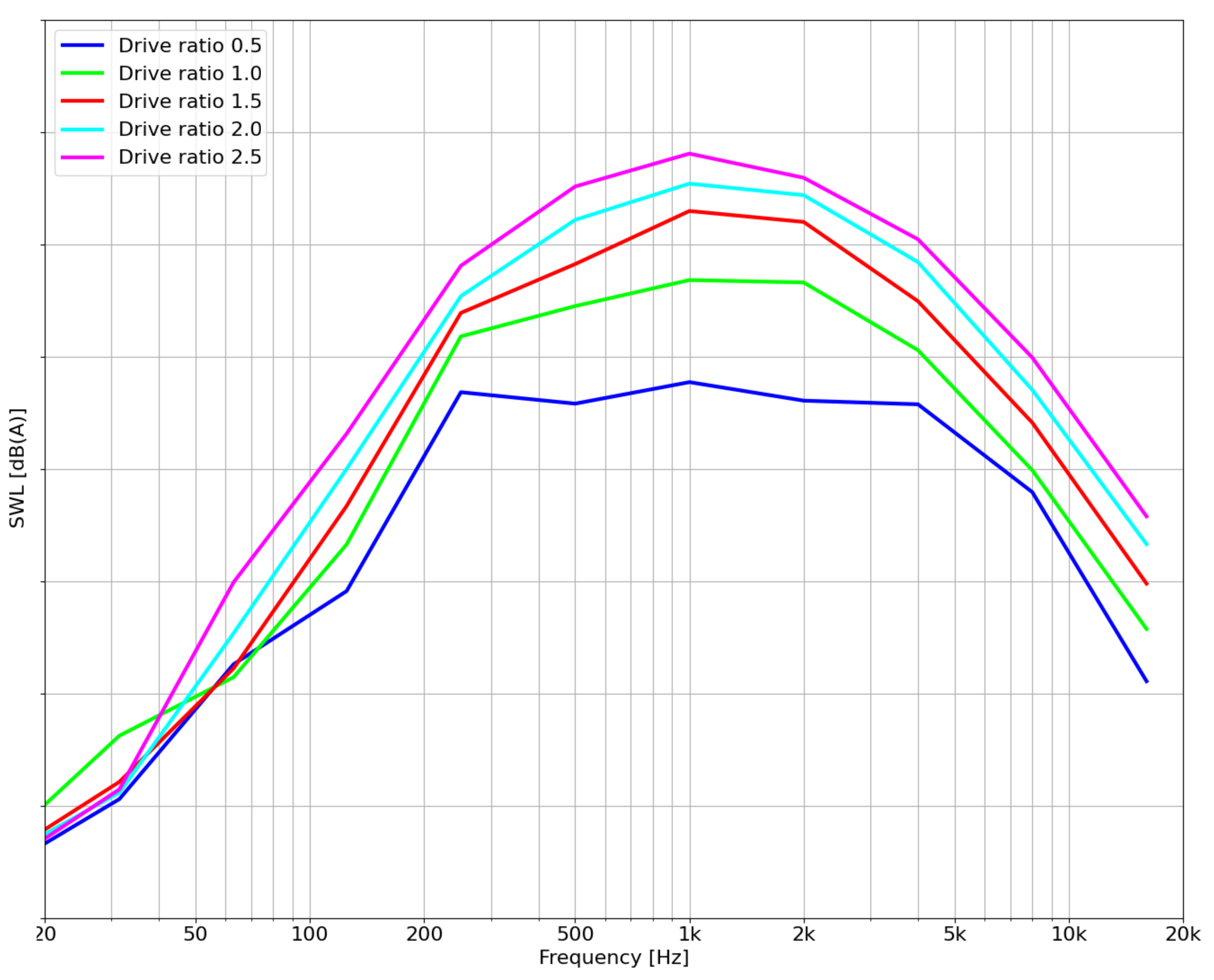
All in all, we carried out a measurement procedure—largely in compliance with standards—for BlueHeart Energy in a challenging environment to measure the radiated sound power of their thermoacoustic heat pump. We conducted the entire process in consultation with the client to ensure that the conditions in the measurement room were as optimal as possible, and we presented the results and findings in a measurement report.