Even the most detailed simulation model is inadequate if the physical boundary conditions are incorrect. Acoustic measurements are necessary to determine actual material properties, calibrate computational models, and verify compliance with standards. ASCEE links laboratory measurements directly to COMSOL simulations to support reliable R&D decisions.
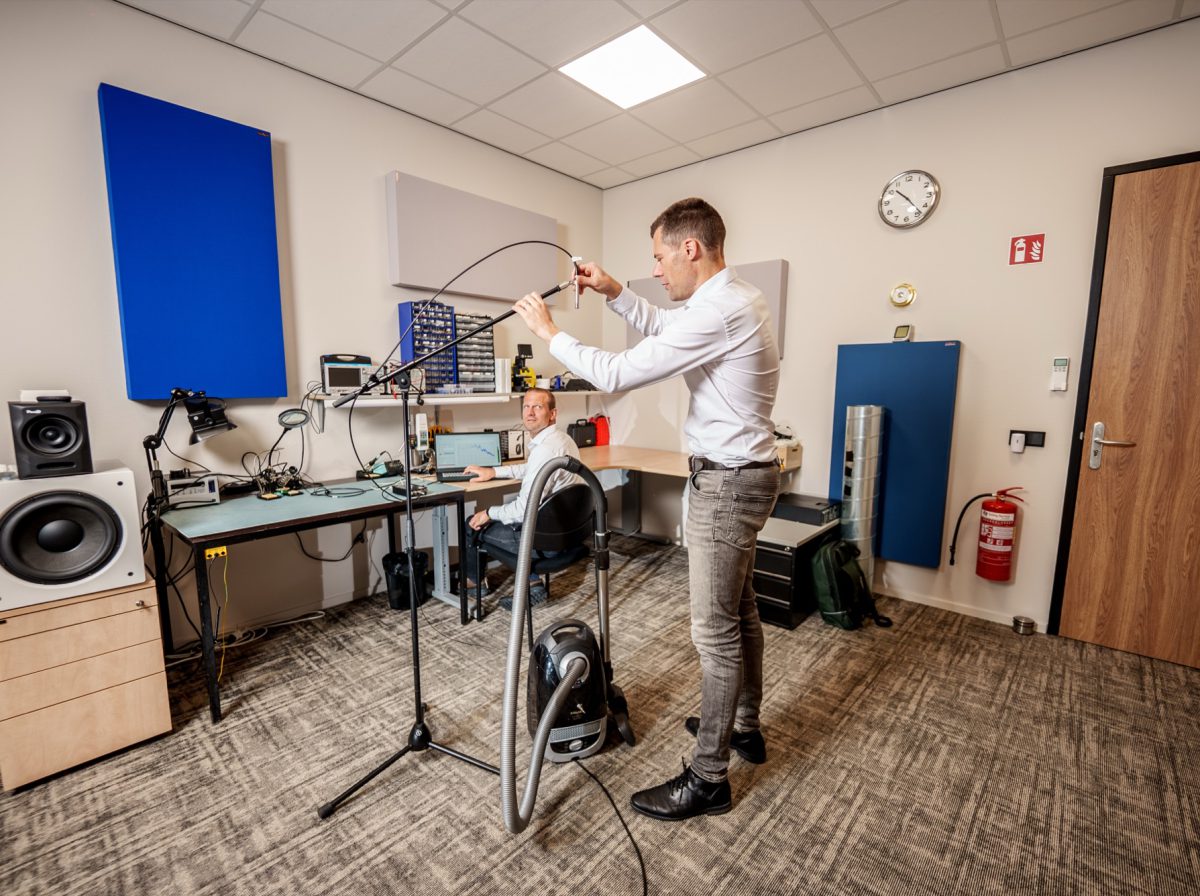
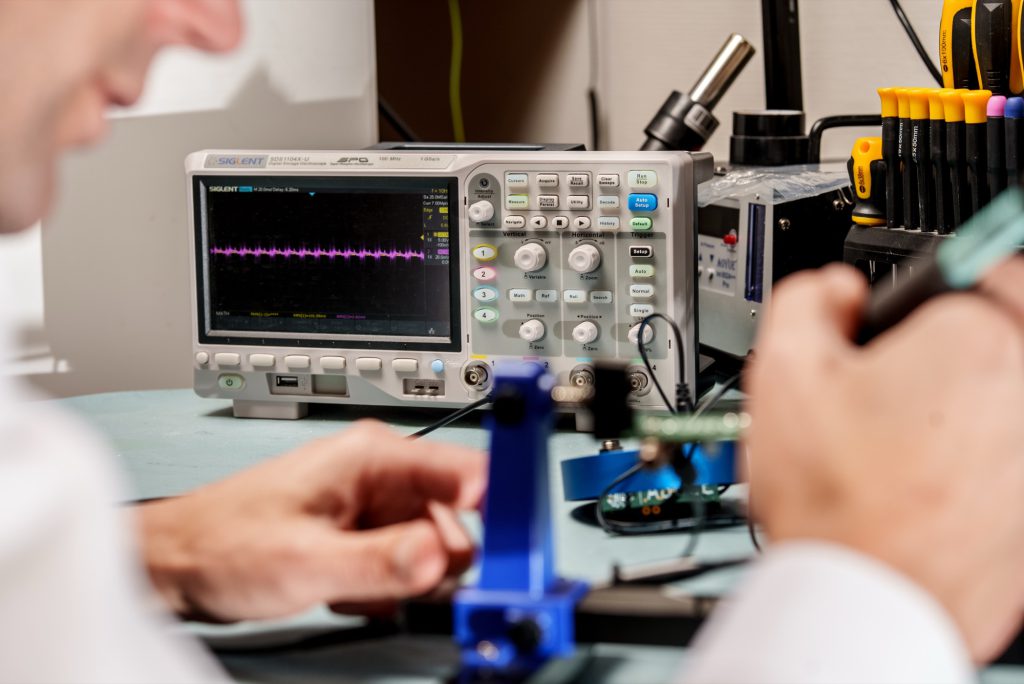
A numerical simulation is only as reliable as the material parameters entered. Datasheets rarely provide the dynamic properties needed for an acoustic model. Acoustic laboratory measurements, such as impedance and absorption measurements in the µZ tube, provide the exact input for models like DBM and JCA. Without this measurement data, you cannot know how an absorber will respond to specific frequencies or installation thicknesses. Measurement transforms a theoretical computational model into a reliable predictor for product design.
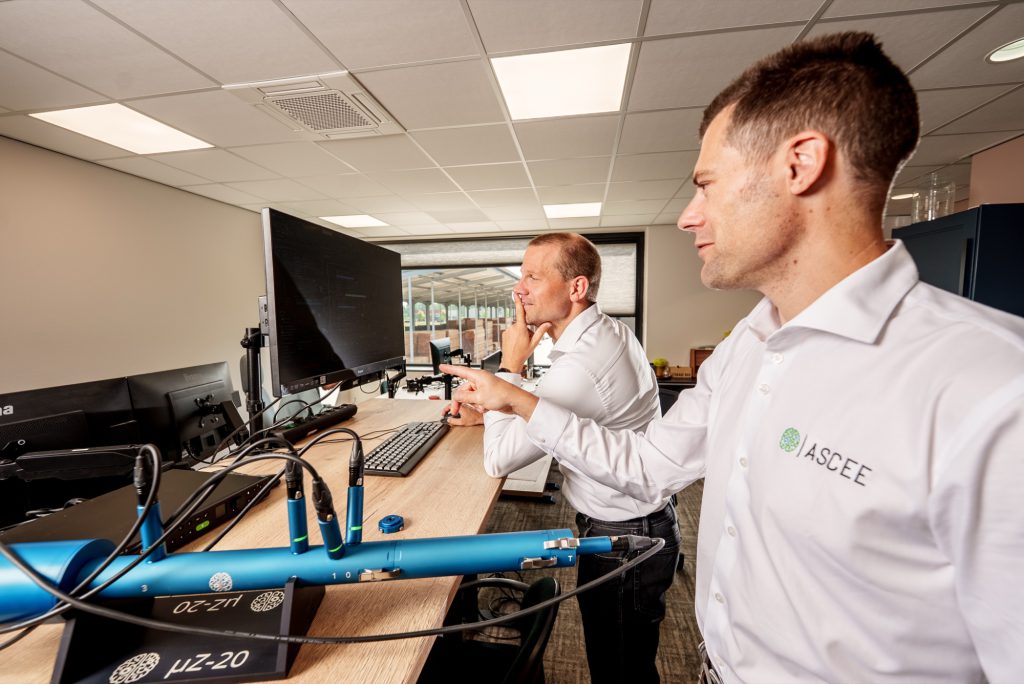
In practice, an assembled prototype always deviates from the ideal CAD geometry. Acoustic leaks along gaskets, tolerances, and resonances alter sound transmission. Measurements using Class 1 microphones and accelerometers in ACME immediately reveal these deviations. Furthermore, market approval requires verification of sound power in accordance with ISO standards. Measurement is essential to ensure that the final product performs in accordance with specifications.
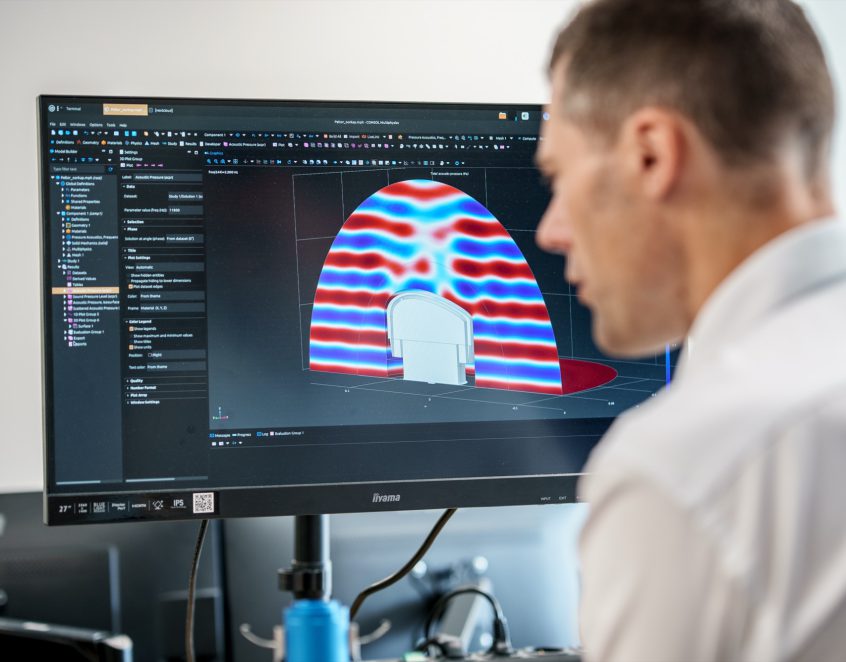
As a COMSOL Certified Consultant, we build multiphysics simulation models for acoustics, structural noise, and fluid flow, calibrated using laboratory data.
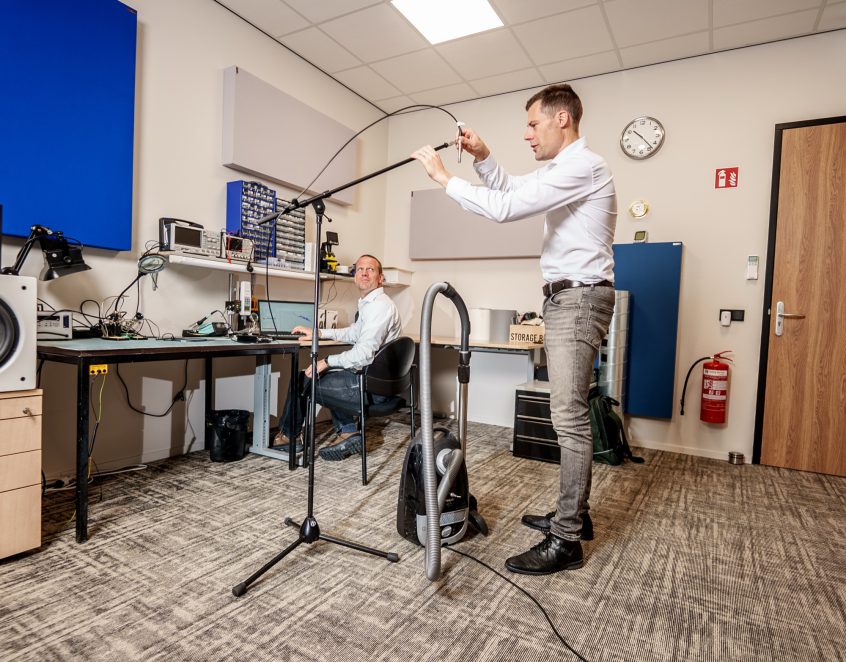
Our laboratory features a 60 m² anechoic chamber, μZ impedance tubes (for absorption and reflection coefficients in accordance with ISO 10534-2), and Class 1 microphones.
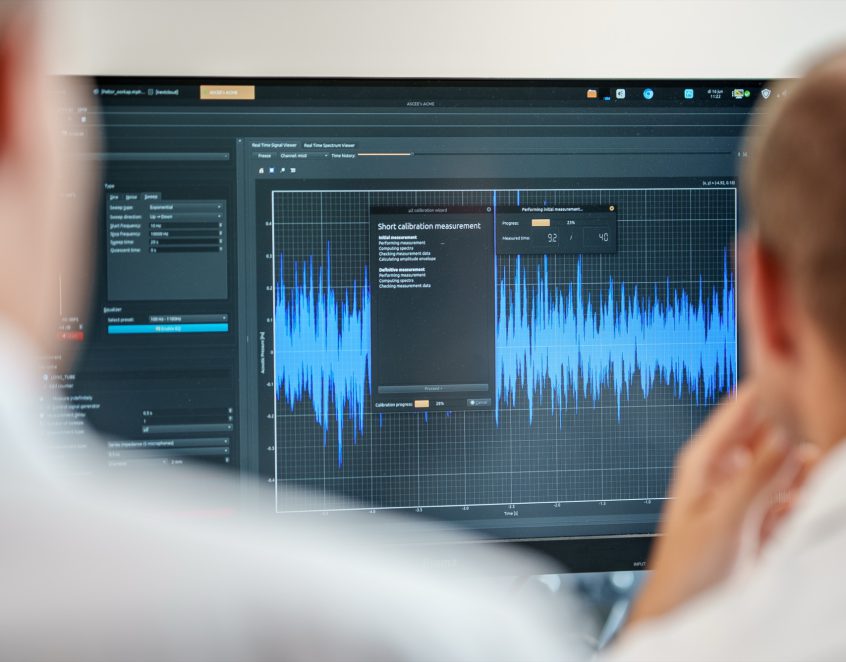
Using our ACME platform, we control the DT9837A for data acquisition, signal generation, real-time FFT analysis, and sound level and vibration measurements.

